June 28, 2025 Homeworks Hawaii
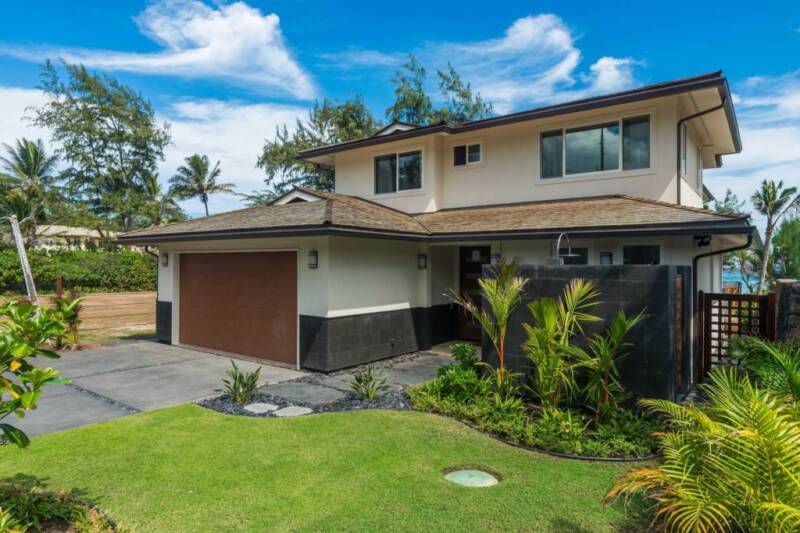
To build a house in Oahu is a big move. Not everyone gets the chance to create a custom home in one of the most beautiful places on Earth. But before you start picking tile or debating lānai furniture, let’s talk about something way more important: location. Because in Hawai‘i, where you build isn’t just a backdrop – it’s the blueprint.
You need to pay attention to topography, climate, and soil – before you ever pour a foundation.
Here’s what you need to know before breaking ground.
What to Consider When You Build a House in Oahu
Slope Is a Budget Line Item
Let’s start with the big one: topography. Most land on Oahu isn’t flat. And while hillside lots offer killer views, they also come with higher construction costs. Gorgeous – but probably needs retaining walls, drainage planning, maybe even deep footings.
What to consider:
- Grading & Excavation: Steeper lots require more earth work. This means more time, more equipment, and more money.
- Foundation Type: On sloped lots, you’ll likely need piers or split-level foundations. No big deal – just budget accordingly.
- Drainage: Water always finds the lowest point, which could be your living room if you don’t plan ahead. Smart grading and French drains can save you future headaches (and mold remediation).
Pro tip: Don’t get emotionally attached to a lot until you’ve walked it with a contractor or architect. A cheap, sloped parcel might cost more to build on than a pricier flat one.
Trade Winds: Your Free Air Conditioning (If You Build Smart)
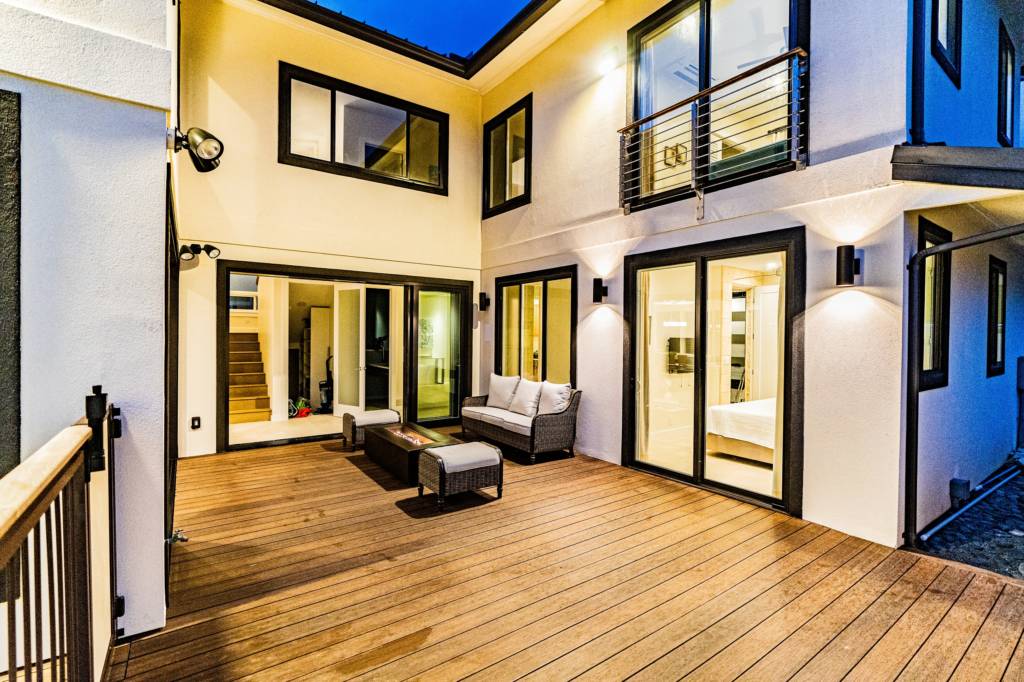
Hawai‘i’s natural ventilation system is the trade winds, which typically blow from the northeast. If your home’s design captures that breeze, you’ll use less AC and enjoy a home that breathes. But block that airflow with poor orientation, and you’ll be baking in your own island oven.
How to work with it:
- Face living areas and lanais into the trades for consistent breeze.
- Use louvered windows and open floor plans to maximize cross-ventilation.
- Place hot rooms (kitchen, laundry) on the leeward side to minimize heat buildup.
You’re not just building a house – you’re setting up a wind dance. Do it right, and nature will cool your house for free 300 days a year.
Flood Zones, Tsunami Evacuation Areas, and What That Means for You
This isn’t just red tape – it’s real stuff that affects your safety, insurance, and building options. Some low-lying areas of Oahu, especially near rivers and coastlines, fall into flood zones or tsunami evacuation areas. That might mean you need:
- Elevated foundations
- Water-resistant materials
- Special drainage and site design
- Higher insurance premiums
To build a house in Oahu isn’t impossible – it just requires strategy. Your architect or builder will need to design for worst-case water scenarios, and your wallet should be ready for it.
Sun Exposure: It’s More Than a Tan Line
Where your house sits in relation to the sun impacts everything – from how hot your living room gets to whether your solar panels actually pay off.
Smart solar orientation:
- Face longer sides of your home north-south to reduce overheating.
- Overhangs or pergolas on west-facing windows to block that brutal afternoon sun.
- Solar panel placement should be optimized from the get-go — not bolted on as an afterthought.
Utilities: Are They Even There?
This part’s not glamorous, but it matters big time. Some lots don’t have ready access to water, sewer, or electricity. You might need to bring in:
- Water lines (or build a catchment system)
- A septic tank
- Electrical poles or solar setups
That stuff adds up. Fast. Always check utility access before you buy, and budget accordingly.
HOAs, Easements & Zoning: The Buzzkills of Building
Some lots may be part of an HOA, or have easements that limit where you can build. Zoning laws vary across O‘ahu and affect:
- Setbacks (how close you can build to property lines)
- Building height
- Density or ohana units
Build a Home with Hawaii in Mind, Not Just On It
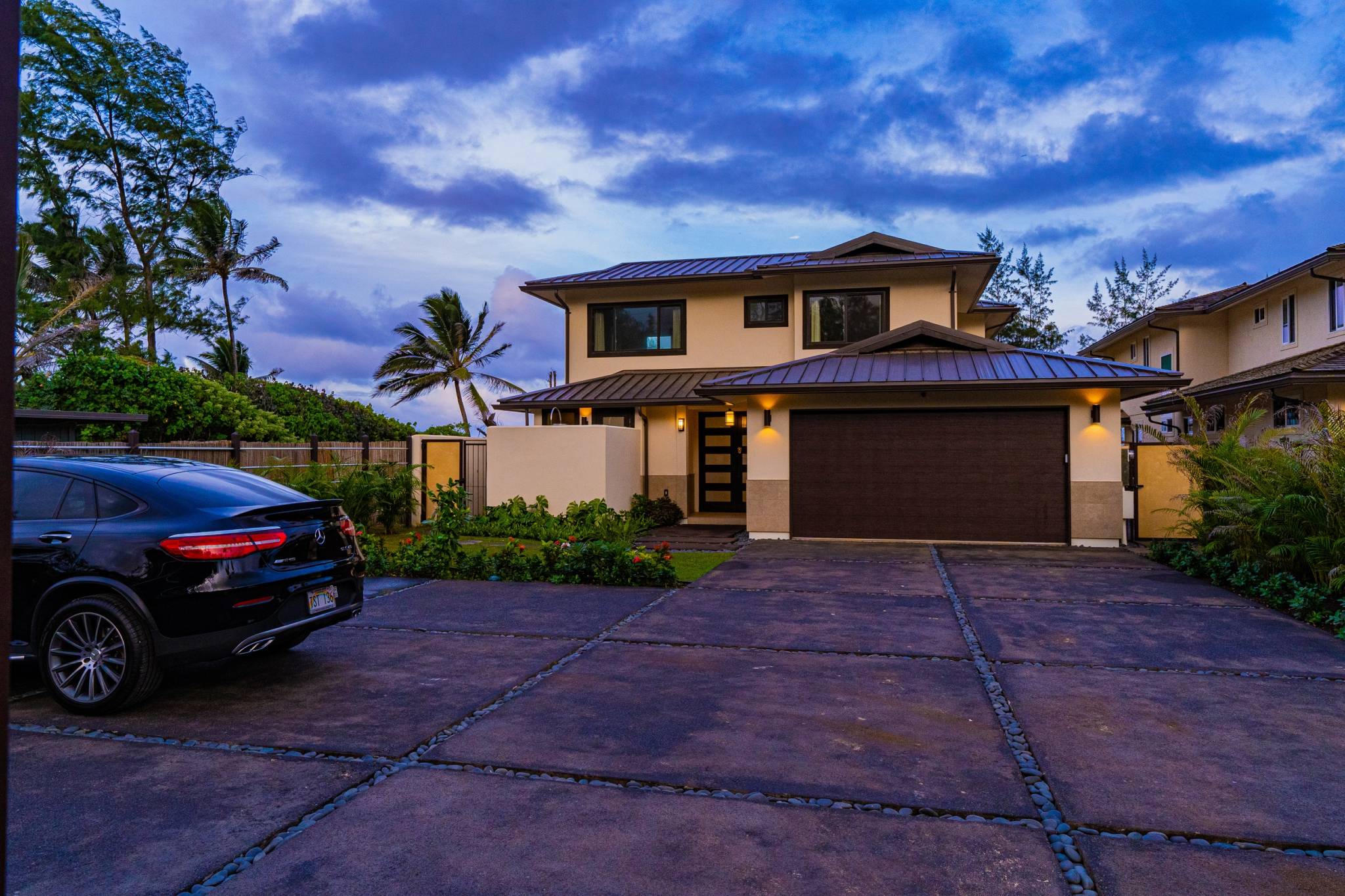
To design and build a house in Oahu isn’t about forcing your dream house onto the land. It’s about shaping that dream around what the island gives you.
When you embrace the slope, channel the breeze, respect the sun, and plan for the rain, your house becomes something that lives in harmony with Oahu’s incredible geography. A place that lasts. A place that feels right.
So before you think about cabinets or color palettes, reach out to Homeworks Construction for all you need to know about building on your property. Then build the house that fits.