August 16, 2025 Homeworks Hawaii
ADU vs Ohana unit means making a comparison between two types of secondary dwellings allowed on certain residential lots in Hawaii: Accessory Dwelling Units (ADUs) and Ohana units. Both provide additional housing, but they follow different sets of rules when it comes to size, use, permitting, and even who can live there.
At Homeworks Construction, we’ve built hundreds of these units across Oahu. Depending on if you’re trying to help family live nearby, create rental income, or increase your property value, understanding the distinction between an ADU and an Ohana unit is critical.
ADU vs Ohana Unit – Are They Actually Different?
What’s the difference between an Ohana and ADU? If you’re a Hawaii homeowner considering adding a second unit to your property, you’ve probably heard both terms thrown around. And while they sound similar, there are key legal and functional differences between the two.
What Is an ADU in Hawaii?
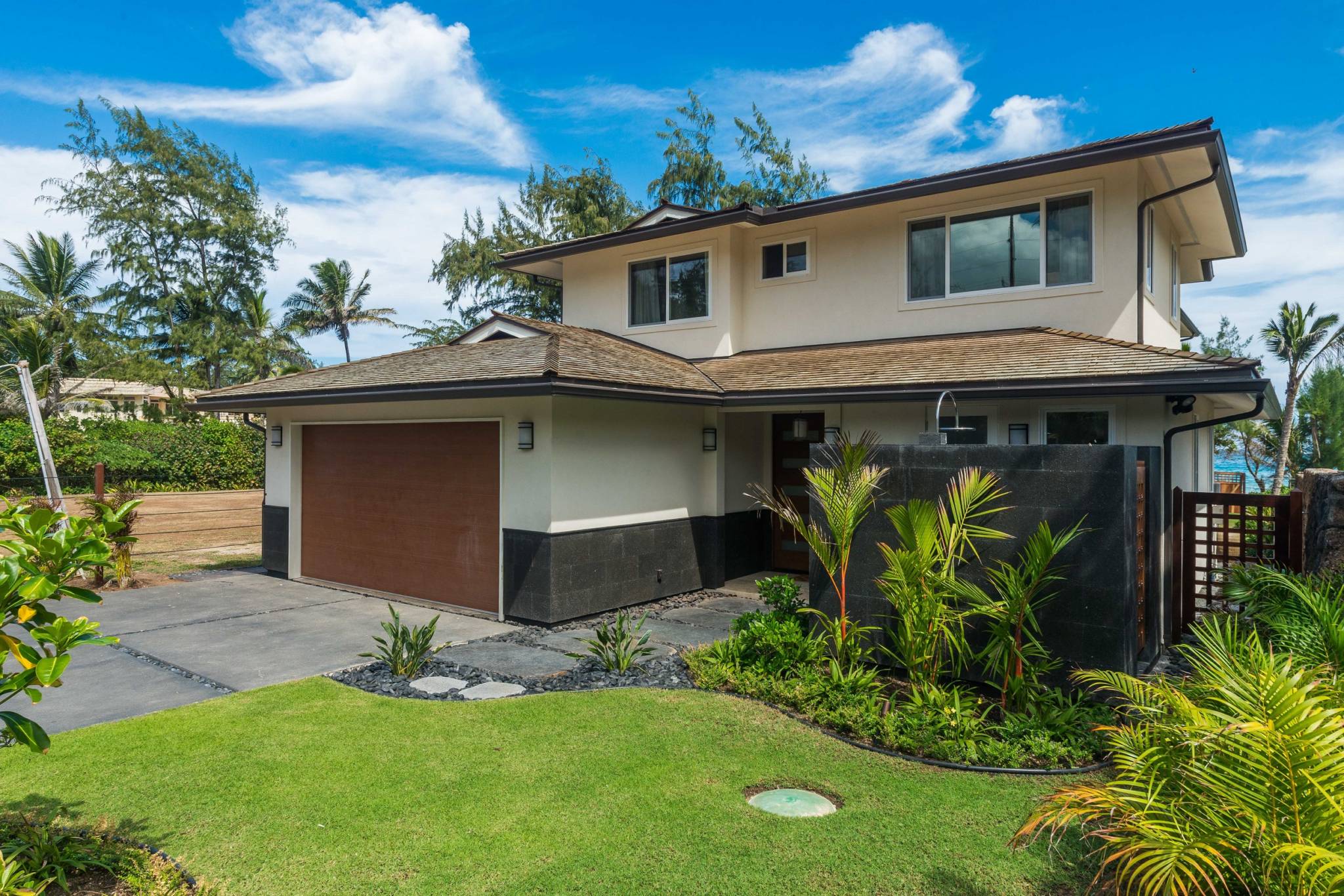
An Accessory Dwelling Unit (ADU) is a self-contained living space built on a residential lot that already has a primary home. Think of it as a smaller, second house in your backyard – with its own entrance, kitchen, bathroom, and bedroom(s).
ADUs were approved in Honolulu in 2015 to help address Hawaii’s housing crisis, and they’re a great option if you want to:
- Provide a place for family to live independently
- Share cost of living more easily by renting the property to family or non-family
- Increase your property’s resale value
Key ADU Features:
- Can be attached to or detached from the main house
- Includes a full kitchen and bathroom
- Maximum size ranges depending on lot size
- Can be rented to non-family members
- Requires dedicated off-street parking
- Must be located in a residential-zoned area
What Is an Ohana Unit?
An Ohana unit, on the other hand, is also a second dwelling – but with more restrictions. The term “ohana” literally means “family” in Hawaiian, and these units are meant for family members only.
Ohana units have actually been allowed since the 1980s in certain residential zoning areas – but with the understanding that they’re not rental properties for the general public.
Key Ohana Unit Features:
- Must be occupied by family members only (blood, marriage, or adoption)
- Cannot be used as a short- or long-term rental for non-family
- May not include a full kitchen in some cases (depending on code)
- Requires larger lot sizes than ADUs
- Subject to different building codes and permitting processes
Ohana vs ADU: What’s the Key Difference?
If you’re comparing ADU vs Ohana unit, the biggest difference is who can live in the unit.
So if your goal is to build a rental property for passive income, an ADU is the way to go. If your goal is to keep parents or adult children close by – but not necessarily independent tenants – then an Ohana unit might suit your needs better.
How to Know What Kind of Unit is Allowed on Your Lot
Every lot in Hawaii is different. Before you draw up plans or hire a contractor, it’s important to know:
- Your lot size
- Zoning designation
- Existing structures
- Flood zone or easement restrictions
- Sewer and utility capacity
At Homeworks Construction, we handle this research for our clients. We’ll review your property details, work with the city to determine what’s allowed, and create a building plan that meets code – and your goals.
What Are the Benefits of Building an ADU?
We build a lot of ADUs on Oahu, and here’s why:
-
Rental Income
Renting out your ADU to a tenant can bring in anywhere from $1,200 to $2,500+ a month, depending on location and design.
-
Flexible Living
Perfect for aging parents, adult kids moving home, or caretakers. Everyone has privacy.
-
Boost Property Value
A legal second dwelling can significantly increase your home’s market value – and buyer appeal.
-
Efficient Use of Space
You can build above a garage, convert part of your existing home, or go with a small detached build in the backyard.
What Are the Limitations of Ohana Units?
Ohana units are great if you know the space will only ever be used by family. But if there’s any chance you might want to rent it out in the future, an Ohana unit won’t give you that flexibility.
Plus, the permitting for Ohana units can be more restrictive. Depending on your lot and zoning, you might not be allowed to include a full kitchen, or the square footage might be more limited than an ADU.
That’s why many Hawaii homeowners opt for ADUs instead – even when their property qualifies for both.
Should You Convert an Existing Structure into an Ohana or ADU?
Got a shed, garage, or rec room in the backyard?
Many homeowners ask us if it’s possible to convert an existing structure into an ADU or Ohana unit. The answer: maybe.
It depends on:
- Whether the structure meets setback requirements
- If the foundation is up to code
- Whether utility hookups are available
- If the zoning and lot size support a second dwelling
We always recommend a site inspection and plan review before starting any kind of conversion. We will not proceed without one.
Why Work With Homeworks Construction?
We’re a full-service design-build firm, which means we manage everything under one roof – from architectural planning to permits, buildout, inspections, and final walk-through. That includes:
- Navigating zoning laws and restrictions
- Submitting complete permit packages
- Designing for efficiency and aesthetics
- Building with local codes in mind
- Managing subcontractors and inspections
Plus, we live here. We understand the nuances of Hawaii real estate, permitting, and lifestyle needs.
FAQs: ADU vs Ohana Unit
What does “Ohana unit” mean in Hawaii?
An Ohana unit is a second dwelling on a residential property, meant exclusively for family members to live in – not for rental to non-family tenants.
Can I rent out an ADU on Oahu?
Yes. As long as it’s a long-term rental (30+ days), ADUs can be rented to non-family members. Short-term vacation rentals are not allowed.
Do I need a permit for an ADU or Ohana unit?
Absolutely. All legal ADUs and Ohana units require city permits, inspections, and must comply with building codes and zoning laws.
Can I convert my garage into an ADU?
Possibly – but only if it meets size, setback, and safety requirements. Homeworks can help assess your site and plan accordingly.
How long does it take to build?
On average, it takes 9–12 months from design to final inspection. Permitting can take up to 4 months depending on workload at the Department of Planning and Permitting.
ADU or Ohana Unit? Choose What Suits Your Needs
When it comes to an ADU vs Ohana unit, the right choice depends on your goals. Want flexibility and rental income? Go with an ADU. Want to house your family with zero plans to rent? An Ohana unit may be perfect. Either options provides flexible living and an opportunity to share costs.
At Homeworks Construction, we’ve been helping Hawaii families make smart, future-proof building decisions for over 25 years. Let’s talk story and see what your property can become.
Ready to build your ADU or Ohana unit?
Check out Homeworks Construction Services today for a free consultation.