March 3, 2026 ADU
“How does an in-house design team affect ADU construction in Hawaii?”
An in-house design team is part of the build company, which positively affects cost, timeline, permits, and stress — often more than homeowners expect. At Homeworks Hawaii, this approach plays a major role in how ADUs get planned, approved, and built across the islands.
ADU construction in Hawaii is not simple. Rules change by island, lots vary, and utilities, parking, and zoning matter. But when design and construction stay under one roof, fewer mistakes happen, projects move faster, and budgets stay realistic.
Let’s break down why this matters and how it changes the ADU experience from start to finish.
What Is an In-House Design Team and How Does an In-House Design Team Affect ADU Construction in Hawaii?
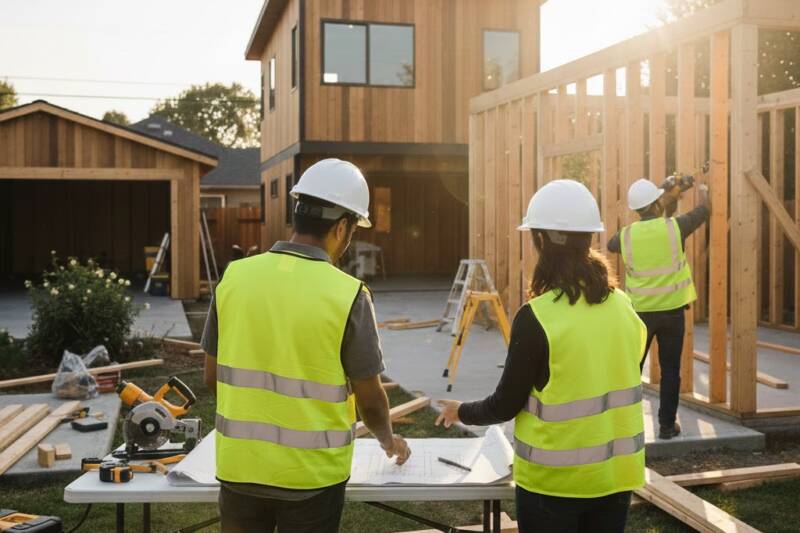
An in-house design team means the designers, planners, and project managers work directly for the construction company.
They are not outside consultants; they work with the builders every day.
This setup creates:
- Shared goals
- Real-time communication
- Clear responsibility
- Faster decisions
For ADUs in Hawaii, this structure makes a big difference.
Why Are ADUs So Complex in Hawaii?
ADUs look small, but the rules are not.
Hawaii ADU projects must deal with:
- Zoning restrictions
- Size limits
- Height limits
- Parking rules
- Utility capacity
- Setbacks
- Flood zones
- Shoreline rules
- HOA rules
Design choices affect approvals and approvals affect cost, and missing one detail can delay permits for months. An in-house design team understands these connections from the start.
How Does an In-House Team Improve ADU Planning?
Planning sets the tone for the entire project — and this is where many ADUs fail.
With an in-house team:
- Designers know what the builders can build
- Builders know what the city will approve
- Layouts match real construction costs
- Plans reflect real site conditions
There’s no guessing and no redesign. This matters most on tight lots, sloped sites, or older properties.
How Does It Affect Zoning and Code Compliance?
Zoning mistakes kill ADU projects because they cost time and money. An in-house design team checks zoning before drawing up plans.
They confirm:
- ADU eligibility
- Allowed square footage
- Height limits
- Setbacks
- Parking requirements
- Occupancy rules
Because the team handles ADUs regularly, they know what reviewers look for.
How Does It Affect Permitting Timelines?
Permits in Hawaii take patience, and design choices affect how long the wait lasts.
With an in-house team:
- Plans match permit expectations
- Engineering aligns with layouts
- Revisions happen quickly
- Responses go out fast
There is no waiting for an outside designer to revise drawings. Everything stays internal, and for ADUs, this can shave months off the timeline.
How Does It Control ADU Construction Costs?
When wondering, “How does an in-house design team affect ADU construction in Hawaii?” People often wonder about cost — and cost control starts with design, not construction.
An in-house design team works with current pricing.
They know:
- Material availability
- Labor costs
- Utility upgrade costs
- Foundation requirements
- Sitework risks
Designs stay realistic, which prevents:
- Overdesigned units
- Costly change orders
- Budget blowouts
- Redesign fees
Homeowners see clearer numbers earlier.
How Does It Reduce Change Orders?
Change orders happen when plans don’t match reality. This is common when design and construction stay separate.
An in-house team:
- Designs with construction input
- Anticipates conflicts
- Adjusts layouts early
- Flags risks before permits
Fewer surprises appear once walls open, keeping ADU builds calmer and more predictable.
How Does It Improve Communication?
Communication matters more than square footage.
With an in-house team:
- Designers sit with builders
- Project managers track details
- Questions get answered fast
- Decisions happen quickly
Homeowners don’t play messenger, and they don’t translate between companies. One team owns the outcome.
Why Does This Matter for Detached ADUs?
Detached ADUs bring extra challenges.
They often require:
- New foundations
- New utility runs
- Separate access
- Fire separation rules
- Drainage planning
An in-house design team plans these systems together. coordinating trenching, grading, and placement early to prevent rework later.
Why Does This Matter for Attached ADUs?
Attached ADUs connect to existing homes, which adds risk.
Design must consider:
- Structural loads
- Roof tie-ins
- Plumbing connections
- Electrical capacity
- Fire separation
- Existing conditions
In-house teams coordinate these details during design, not during demo. That protects the main home and keeps inspections smooth.
How Does It Support Multigenerational Living?
Many ADUs support family.
An in-house design team plans for:
- Privacy
- Sound separation
- Accessibility
- Aging-in-place features
- Future flexibility
These choices work best when design and construction align.
How Does It Help With Future-Proofing?
Good ADU design looks ahead.
An in-house team plans for:
- Future utility upgrades
- Potential rental use
- Code changes
- Family growth
- Resale value
Designs remain flexible without breaking rules.
How Does It Fit With Design-Build?
An in-house design team is the backbone of design-build.
Design-build means:
- One contract
- One team
- One responsibility
For ADUs, this means:
- Fewer delays
- Clear budgets
- Faster schedules
- Better coordination
This approach works especially well in Hawaii’s complex environment.
How Does Homeworks Hawaii Use In-House Design for ADUs?
At Homeworks Hawaii, ADU design stays integrated with construction.
This supports:
- Custom homes with future ADUs
- Detached ADUs
- Attached ADUs
- Ohana-style living
- Additions that qualify as ADUs
The team plans for Hawaii’s rules from day one.
What Should Homeowners Look For?
When planning an ADU or Ohana build, ask:
- Does the designer work with the builder daily?
- Who handles zoning review?
- Who revises plans during permitting?
- Who controls the budget?
Clear answers matter.
Why Does This Matter So Much in Hawaii?
Answering the question, How does an in-house design team affect ADU construction in Hawaii? matters because Hawaii offers no margin for error.
Land costs stay high, permits take time, and labor stays limited. An in-house design team reduces risk, protecting your investment.
FAQs
Does an in-house design team cost more?
Not usually. It often saves money by preventing redesigns and change orders.
Does it speed up ADU permits?
Yes. Cleaner plans move through review faster.
Is it better for small lots?
Yes. Tight sites need precise coordination.
Does it help with zoning rules?
Yes. Teams design within the rules from the start.
Is it better for aging-in-place ADUs?
Yes. Accessibility works best when planned early.